
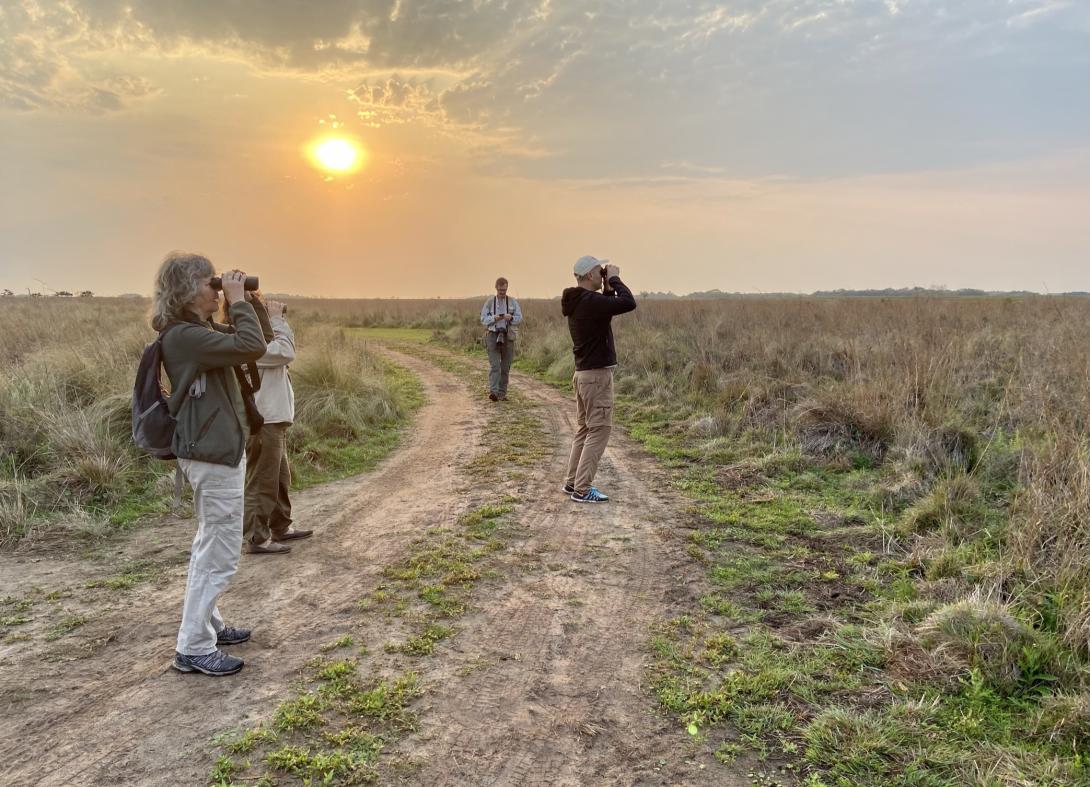
Iberá Wetlands and Iguazú are two of Argentina’s most important birding destinations. Located in northeastern Argentina, they offer completely different habitats and bird communities: Iberá is known for its wetlands and grasslands, while Iguazú is home to the subtropical Atlantic Forest.
For birders visiting Argentina, combining both destinations is one of the best ways to experience the remarkable biodiversity of the region.
Iberá Wetlands: Grassland and Wetland Birds
Located in Corrientes Province, the Iberá Wetlands are among South America's largest freshwater wetland systems. Their mosaic of lagoons, marshes, grasslands and forests supports an extraordinary diversity of birds.
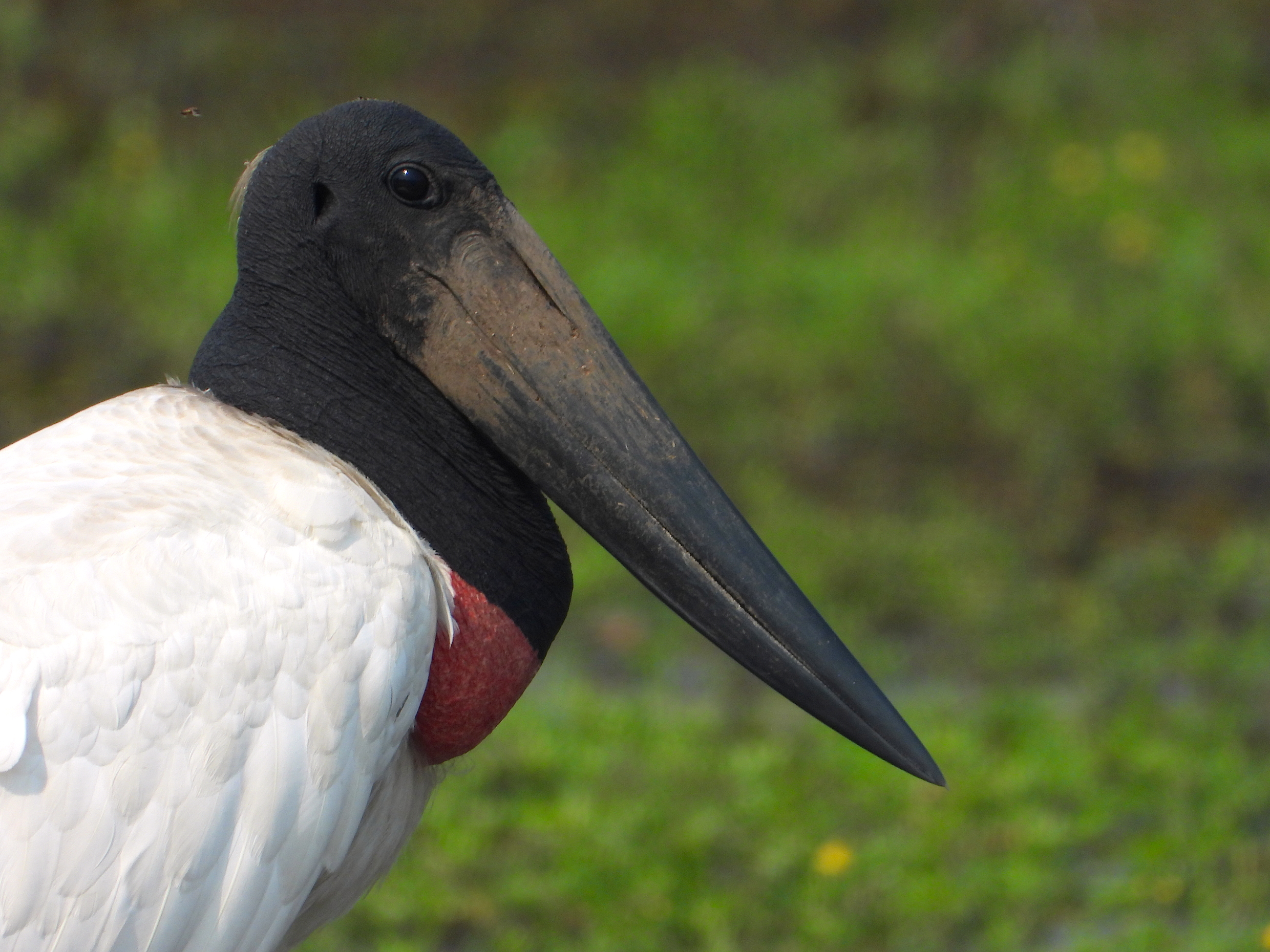
Some of the most sought-after species include:
Birding in Iberá can be done on foot, by vehicle and by boat, exploring different habitats according to seasonal conditions.
The region is also exceptional for wildlife, including capybaras, caimans, marsh deer and other mammals.
Iguazú: Birding in the Atlantic Forest
In Misiones Province, Iguazú National Park and the surrounding Atlantic Forest provide a completely different birding experience.
Dense subtropical rainforest supports toucans, trogons, manakins, woodpeckers, tanagers and many other forest specialists.
Characteristic target birds include:
Birding in the Atlantic Forest often requires patience and knowledge of bird calls, as many species remain hidden in dense vegetation.
The region also offers the opportunity to visit Iguazú Falls, one of South America's most spectacular natural landmarks.
Iberá or Iguazú: Which Is Better for Birding?
Neither destination is necessarily better: they offer different birding experiences.
Iberá is particularly productive for open-country, grassland and wetland birds, often allowing excellent views of birds and other wildlife.
Iguazú is especially important for forest specialists, with a rich bird community associated with the Atlantic Forest.
Combining both destinations allows birders to explore complementary ecosystems and significantly expand the variety of species they may encounter.
When Is the Best Time to Visit Iberá and Iguazú?
Both destinations offer birding throughout the year.
In Iguazú, February through November generally provides more comfortable conditions, avoiding the most intense summer heat and humidity of December and January.
Iberá can be visited year-round, although temperatures, rainfall and grassland conditions vary seasonally.
For a combined itinerary, the best dates also depend on the target species and the habitats you want to prioritize.
How Many Days Do You Need for Iberá and Iguazú?
A combined Iberá and Iguazú birding trip typically requires around 7 to 10 days, depending on the locations visited and travel arrangements.
This allows time to explore several wetland and grassland habitats in Iberá before continuing to the Atlantic Forest of Misiones and Iguazú National Park.
Longer itineraries can incorporate additional birding areas in northeastern Argentina, increasing habitat diversity and opportunities for target species.
Private Birding Tours in Iberá and Iguazú
Buenos Días Birding is an Argentina-based birding tour operator specializing in private and small-group trips throughout Argentina and southern South America.
Since 2003, we have organized customized birding itineraries combining Iberá Wetlands, Iguazú Falls and the Atlantic Forest, working with experienced local birding guides.
Our trips can be adapted to target species, photography interests, travel dates and preferred pace.
Planning a birding trip to northeastern Argentina? Explore our Iberá Wetlands and Iguazú birding tour or contact Buenos Días Birding to plan a customized itinerary.
- 登录 发表评论